
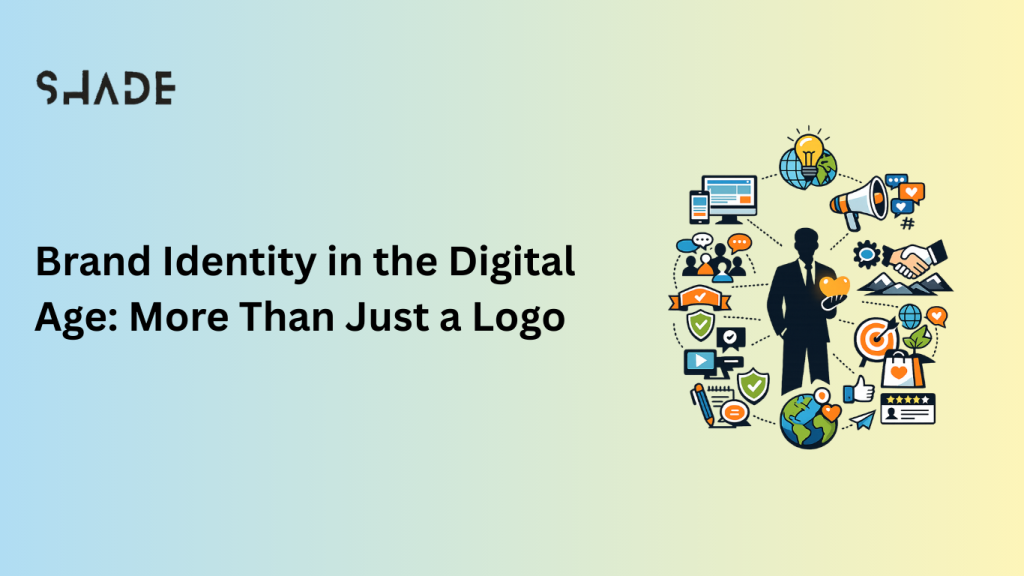
In today’s fast-moving digital world, brand identity has evolved far beyond just a logo, color palette, or tagline. It is no longer limited to visual elements alone—it is the complete perception people have about a brand across every digital touchpoint. From social media interactions and website experiences to customer support chats and online reviews, every single moment contributes to how a brand is remembered. For businesses, especially in competitive digital markets, brand identity is no longer optional; it is a strategic asset that defines trust, loyalty, and long-term growth.
At Shade Marketing and PR Agency, we believe that brand identity in the digital age is a living, breathing ecosystem. It is how your audience feels when they see your content, how they interpret your values, and how they emotionally connect with your story. A logo may be the face of a brand, but identity is the soul that gives it meaning.
Understanding Brand Identity Beyond Visual Design
Traditionally, brand identity was defined by logos, typography, packaging, and color schemes. While these elements are still important, they are now just one part of a much bigger picture. Digital platforms have transformed how people experience brands. Consumers don’t just “see” brands anymore—they interact with them daily through content, conversations, and communities.
In the digital age, brand identity includes tone of voice, storytelling style, communication ethics, user experience, content quality, social presence, and brand values. It is how consistently a brand shows up across platforms and how authentically it communicates its purpose. A brand that looks good but feels disconnected, inconsistent, or inauthentic will struggle to build trust, no matter how strong its visual design is.
Emotional Connection as the New Foundation
Modern consumers don’t just buy products; they buy stories, beliefs, and experiences. Emotional connection has become the foundation of strong brand identity. People connect with brands that understand their problems, share their values, and speak their language. This emotional layer is what transforms a brand from being just another business into something meaningful.
A strong digital brand identity makes customers feel understood. It creates familiarity and comfort, making people choose the brand not just for price or features, but for trust and connection. This is why storytelling, empathy, and authenticity are now central to brand-building strategies.
Digital Touchpoints Define Brand Perception
Every digital interaction shapes how a brand is perceived. A website’s loading speed, a social media reply, a WhatsApp message, a blog article, or a comment on Instagram—each one contributes to brand identity. People judge brands not only by what they say, but by how they behave online.
Consistency is the key here. If a brand sounds friendly on social media but feels cold on email, or looks premium on the website but casual on ads, it creates confusion. A strong brand identity ensures that the personality, tone, and values remain aligned across all platforms.
The Role of User Experience in Brand Identity
User experience is now a major part of brand identity. How easy your website is to navigate, how smoothly a user can place an order, how simple your contact process is—these experiences shape perception more than any visual element. A brand that offers a smooth, intuitive digital journey feels professional, reliable, and trustworthy.
Bad user experience damages brand identity even if the design looks good. In contrast, a simple, clear, and customer-focused digital experience strengthens trust and loyalty. In the digital age, experience is branding.
Content as a Brand Voice
Content is one of the most powerful tools in building digital brand identity. Blogs, videos, reels, posts, emails, and ads all carry the brand’s voice. The words you use, the tone you adopt, and the messages you share define how people perceive you.
A strong brand voice is consistent, authentic, and relatable. It reflects the brand’s personality and values. Whether a brand is professional, friendly, bold, emotional, or inspirational, its content should communicate that identity clearly and consistently.
Storytelling Over Selling
Modern branding is not about pushing products—it’s about telling stories. People remember stories, not sales pitches. Brands that focus on storytelling build deeper connections. Sharing journeys, struggles, success stories, customer experiences, and behind-the-scenes moments humanizes the brand.
This human approach makes brands feel real, not corporate. It creates trust and relatability, which are essential for long-term brand loyalty in the digital world.
Social Media and Community Building
Social media has transformed branding from one-way communication into two-way relationships. Brands are no longer just broadcasters; they are participants in conversations. Comments, messages, shares, and community interactions now define brand identity.
A strong digital brand builds a community, not just followers. It listens, responds, engages, and values its audience. This sense of belonging creates loyalty that goes beyond products or services.
Trust as a Digital Currency
In the digital age, trust is the most valuable brand asset. Online reviews, testimonials, transparency, and authenticity all play a role in building trust. People trust brands that are honest, consistent, and customer-focused.
A brand identity rooted in trust doesn’t hide mistakes—it owns them. It communicates openly and acts responsibly. This transparency strengthens credibility and builds long-term relationships.
Purpose-Driven Branding
Modern consumers care about what brands stand for. Purpose is now a core part of brand identity. Brands that clearly communicate their mission, vision, and values create stronger emotional bonds with their audience.
Purpose-driven branding is not about marketing slogans; it’s about real actions. Supporting causes, practicing ethical business, and contributing positively to society all shape how a brand is perceived. When purpose is genuine, it becomes a powerful identity driver.
Authenticity Over Perfection
In the digital world, perfection feels fake. People connect more with authenticity than with flawless branding. Showing real people, real stories, and real emotions builds stronger connections than overly polished, artificial content.
Authentic branding makes a brand relatable and human. It builds emotional trust and long-term loyalty.
Brand Identity as a Living System
Brand identity is not a one-time project—it is an ongoing process. It evolves with audience behavior, digital trends, and cultural shifts. Successful brands continuously adapt while staying true to their core values.
This dynamic nature of brand identity means businesses must constantly evaluate how they are perceived online. Feedback, analytics, and audience engagement all help in refining identity strategies.
Strategic Consistency
While adaptation is important, consistency is equally critical. A brand should evolve without losing its core essence. Consistent messaging, values, and personality create recognition and trust over time.
Brand identity becomes powerful when people can recognize it instantly—not just by logo, but by voice, behavior, and experience.
The Role of Strategy in Digital Branding
A strong digital brand identity is built on strategy, not just creativity. It requires clear positioning, audience understanding, brand purpose, and long-term vision. Without strategy, branding becomes scattered and ineffective.
At Shade Marketing and PR Agency, we believe that digital branding should be purposeful, consistent, and customer-centric. Brand identity should align with business goals while connecting emotionally with the audience.
Identity as a Business Asset
Brand identity is not just marketing—it is a business asset. It influences customer loyalty, brand value, market positioning, and long-term growth. A strong identity reduces marketing costs, increases trust, and improves customer retention.
Brands with strong identities don’t compete only on price—they compete on value, trust, and connection.
Conclusion: More Than Just a Logo
In the digital age, brand identity is no longer about how a brand looks—it’s about how it feels, behaves, and connects. It is built through experiences, emotions, trust, content, and community. A logo may attract attention, but identity builds relationships.
Brand identity today is a complete ecosystem that includes design, voice, values, purpose, experience, and trust. It is what people remember when they think about your brand. It is what makes your brand human in a digital world.
For businesses that want long-term success, investing in authentic, consistent, and strategic brand identity is not optional—it is essential. Because in the digital age, your brand is not defined by your logo alone. It is defined by every interaction, every experience, and every emotion your audience associates with you.
And that is what truly makes a brand unforgettable.